
Extraction: The Frontiers of Green Capitalism is a meticulously researched book that tackles what is too often overlooked by advocates of an energy transition – the ecological damage wrought by the mining of lithium, a metal used in electric vehicle production and energy storage systems for renewable grid-scale energy such as wind and solar.
Understanding the intersection of industrial extraction, ecological preservation, and indigenous rights, Thea Riofranco argues, is crucial for a truly sustainable future. Riofrancos’ book, while it is focused on lithium and based on research she conducted in Chile, raises equally important questions relevant to African countries where lithium mining is attracting much attention – including Namibia, Tanzania Zimbabwe, Nigeria and Ghana.
The author is an associate professor of political science at Providence College in the US state of Rhode Island, a strategic co-director of the Climate and Community Institute, and a fellow at the Transnational Institute.
She makes the point that “extraction is the material foundation of a zero-carbon world… and that is a key reason that ‘green capitalism’ can read like an oxymoron.
“How can capitalism ever be green if even the technologies and infrastructure needed to harness renewable energy require digging several hundred new large-scale mines in the span of a decade?”
The author is no luddite.
Riofrancos writes that: “…we can decisively say that in terms of helping confront global warming, EVs [electric vehicles] beat ICE [internal combustion engine] vehicles.”
But she points out that although EVs do not emit tailpipe emissions, and thus do not contribute to climate change while they are being driven, the extraction and processing of metals, and the vehicles’ charging infrastructure, certainly do.
There must therefore, she says, be a focus on sustainably mining lithium and other critical minerals used in EVs.
The author’s focus is on the lithium mining taking place in the northern desert of Chile at the Atacama Salt Flat, which employs one of the two systems of extracting lithium.
Operators in Chile use the rich deposits of lithium found in underground brine. The brine is pumped to ponds where evaporation takes place, a lengthy process that can take as long as two years.
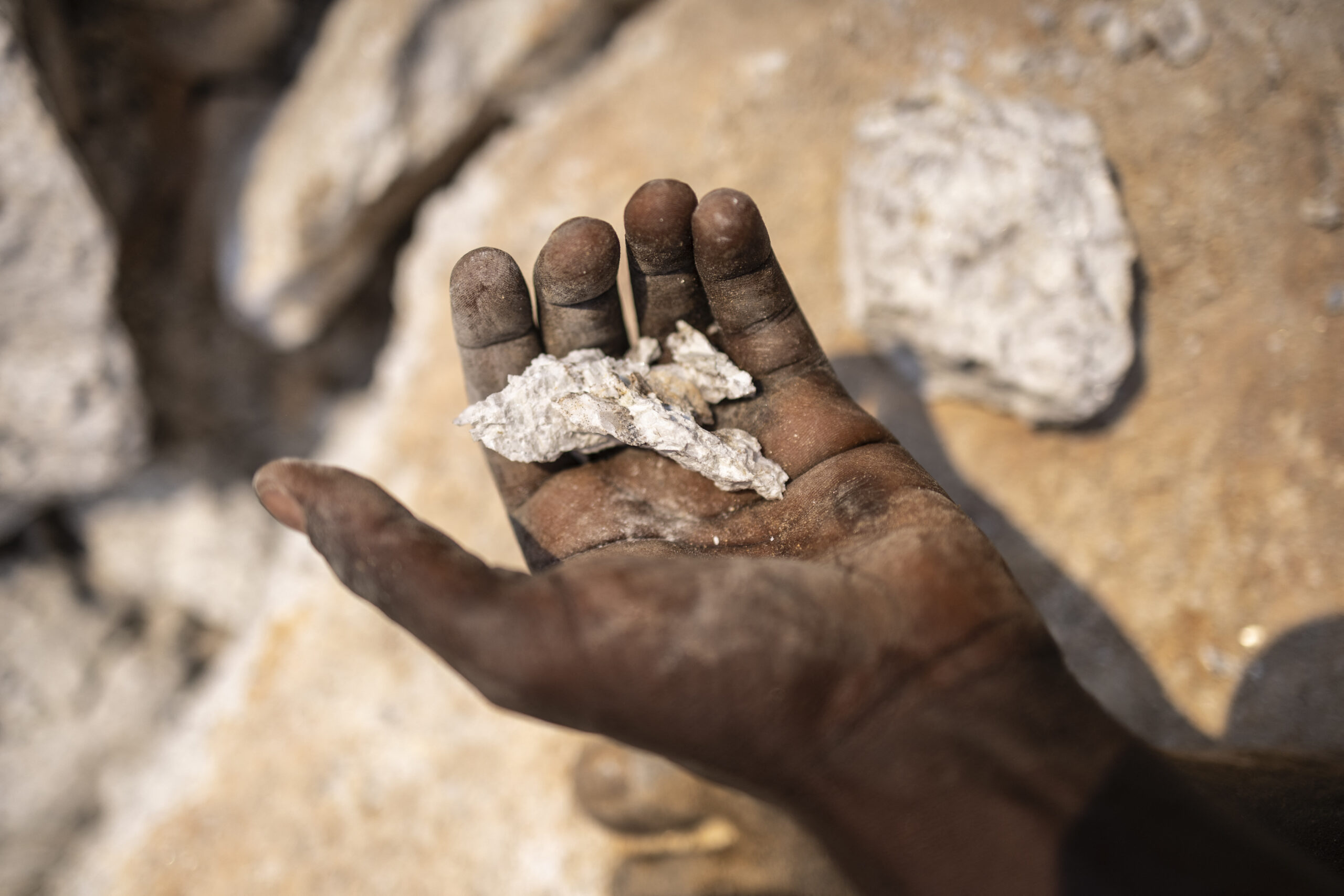
The alternative method of extracting lithium involves crushing ore rocks that carry the mineral before refining, a method that is often used in Africa.
But brine is an essential underpinning of the ecosystems of the Atacama Salt Flat, she argues.
“Mining companies typically portray brine as lacking any environmental value. Yet scientific research has revealed that brine is not only an essential constituent of the plateau’s broader ecology, but an entire ecosystem unto itself. This fact raises existential questions for the planet’s zero-carbon future.”
Riofrancos asks whether or not, if climate action requires more extraction [that is, mining], do the ends justify the means?
“There is no one single trick to escape our earthly entanglement with nature’s bounty… the impacts of lithium mining will be intensified by the very climate crisis that its extraction is intended to delay.”
It is indeed, as Riofrancos says, a “dilemma with no exit”.
Extraction: The Frontiers of Green Capitalism
By Thea Riofranco
£20 Icon Books
ISBN 9781837732692