

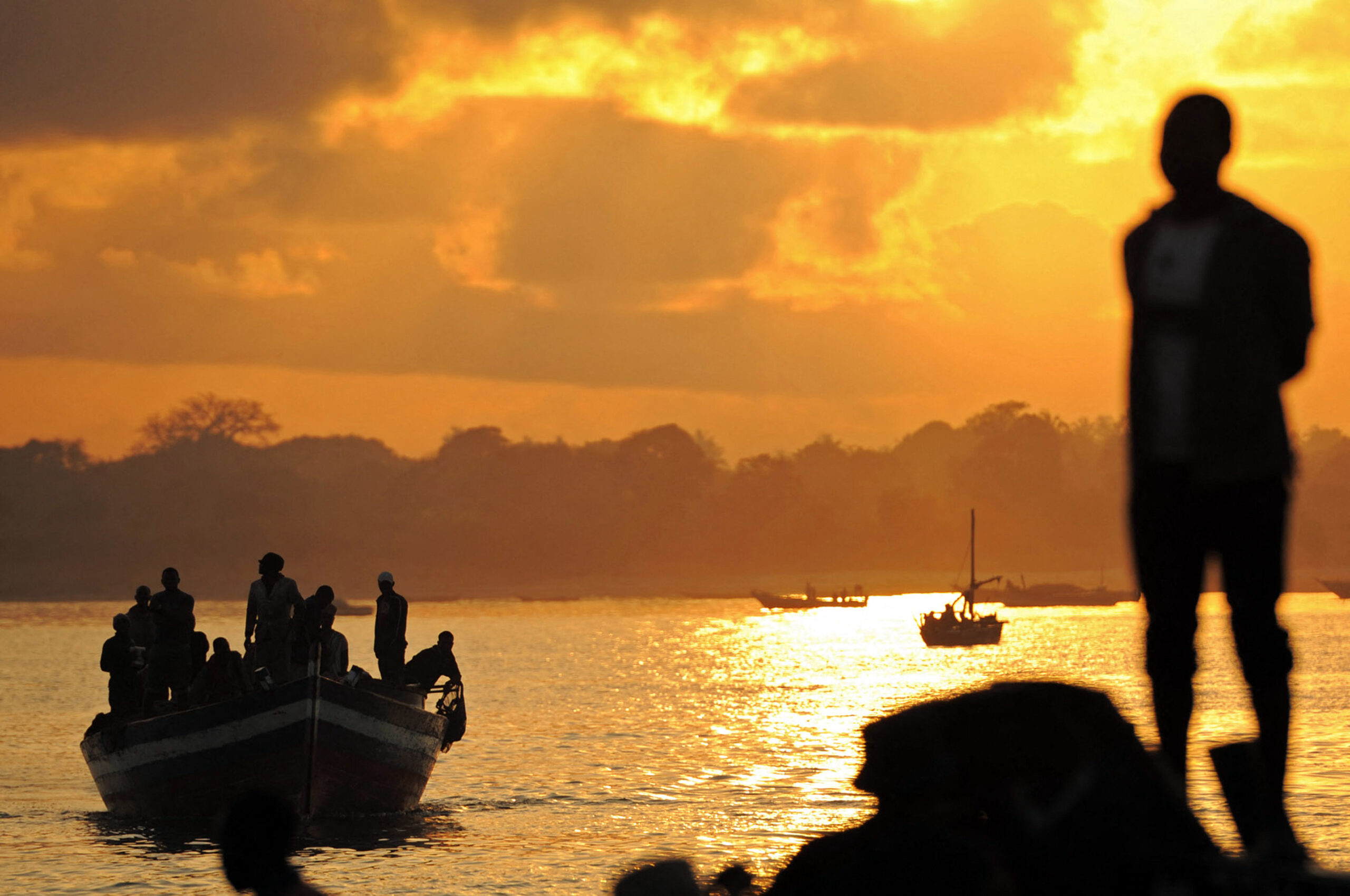
When leaders from around the world gather in Mombasa, Kenya this month for the Our Ocean Conference, it will mark the first time the global gathering has been held on African soil.
That is more than a symbolic milestone. It reflects a growing reality: the future of the ocean – and the hundreds of millions of people who depend on it for food, jobs and economic security – will increasingly be shaped by African leadership.
For many people, the ocean is still viewed primarily as an environmental issue. But across Africa it is much more than that. It is an economic issue. A food security issue. A climate issue. And for countless coastal communities it is part of their cultural identity and way of life. Yet as Africa’s coastal populations continue to grow rapidly, the ocean they depend on is changing even more quickly.
Our oceans are under mounting pressure. Climate change is warming waters and disrupting marine ecosystems. Plastic pollution continues to flood into our ocean at an alarming rate. Destructive fishing damages habitats that protect coastlines and support marine life. Illegal, unreported and unregulated fishing deprives coastal nations of critical revenue while undermining food security for communities that depend on local fish populations.
These challenges are global, but they are often felt most acutely by coastal communities across Africa.
At the same time, Africa is helping drive solutions.
Across the continent, governments, scientists, fishers, entrepreneurs and local communities are advancing innovative approaches to marine conservation and sustainable development. Countries are restoring mangroves, strengthening fisheries management, increasing transparency at sea, expanding marine protected areas and investing in sustainable blue economies that support both people and nature. These efforts are not only protecting marine ecosystems; they are helping safeguard local nutrition, livelihoods and economic opportunity.
Kenya’s experience
Kenya’s experience offers a powerful example. For decades, Kenya has worked alongside coastal communities to protect important coral habitats from Malindi-Watamu in the North to Kisite-Mpunguti in the south. These efforts have helped sustain marine life, strengthen fisheries and support the communities that depend on healthy oceans for their livelihoods and wellbeing.
The lesson extends far beyond Kenya. Lasting ocean protection cannot be imposed from the top down. It must be built with the people who rely on the ocean every day. The fishers, communities, indigenous peoples and local leaders who have the most to lose from a declining ocean often have the deepest understanding of how to protect it.
Women and young people are increasingly at the centre of this work. Along Kenya’s coast and throughout Africa, community leaders are helping build more resilient fisheries, restore critical habitats and create new economic opportunities tied to healthy oceans. Their efforts demonstrate an important lesson: those most affected by ocean decline must have a seat at the table. When they do, solutions are more durable, more equitable and more likely to succeed because they are rooted in local knowledge and community needs.
Kenya is proud to host this year’s conference and to showcase the solutions emerging from across Africa and the Western Indian Ocean region. But the significance of this moment extends beyond any single country.
At a time when geopolitical tensions are rising and international cooperation is under strain, the ocean remains one of the world’s greatest unifiers – and one of humanity’s most shared responsibilities. Ocean currents do not recognise borders. Fish populations migrate across jurisdictions. Pollution travels across oceans. No nation can solve these challenges alone.
Time for commitments
That is why global commitments matter.
The world is rapidly approaching the deadline to protect at least 30% of the ocean by 2030. The landmark High Seas Treaty offers an unprecedented opportunity to safeguard marine biodiversity beyond national waters. But commitments alone will not protect the ocean. Countries must follow through with wider ratification, implementation, investment and accountability.
The coming decade will help determine whether future generations inherit oceans capable of sustaining food security, economic opportunity and climate resilience. The decisions governments make today will shape communities and ecosystems for decades to come.
Africa has a vital role to play in that future.
The significance of hosting the first Our Ocean Conference on the continent is not simply where the meeting takes place. It is what it represents: a recognition that African nations and African communities have some of the most to lose if ocean ecosystems continue to suffer – but also some of the most to gain from protecting and restoring the ocean. Increasingly, they are helping chart the course for global ocean action.
The ocean has always connected us. At a moment when so much else divides us, it can also remind us of what we share.
Protecting the ocean and protecting people are inseparable goals. Achieving either will require cooperation, sustained commitment and leadership from every region of the world. Africa is helping show what that leadership looks like.
The question is whether the rest of the world is prepared to match that ambition.
Now is the time to follow through.
Betsy Njagi is principal secretary for Kenya’s State Department for the blue economy and fisheries.
Kate Walsh is an actor, advocate and Oceana ambassador.