Attending the Invest in Lagos conference last week was a real eye-opener. Hosted by the visionary Governor of Lagos, Babajide Sanwo-Olu, and featuring Commissioner for Commerce, Cooperatives, Trade and Investment Folashade K. Ambrose-Medebem among its leading voices, the conference brought together international delegates to shine a light on the extraordinary economic opportunity presented by Lagos, Nigeria and the wider African continent. I left energised, informed and convinced that the way many in the West still think about Africa is badly in need of an update.
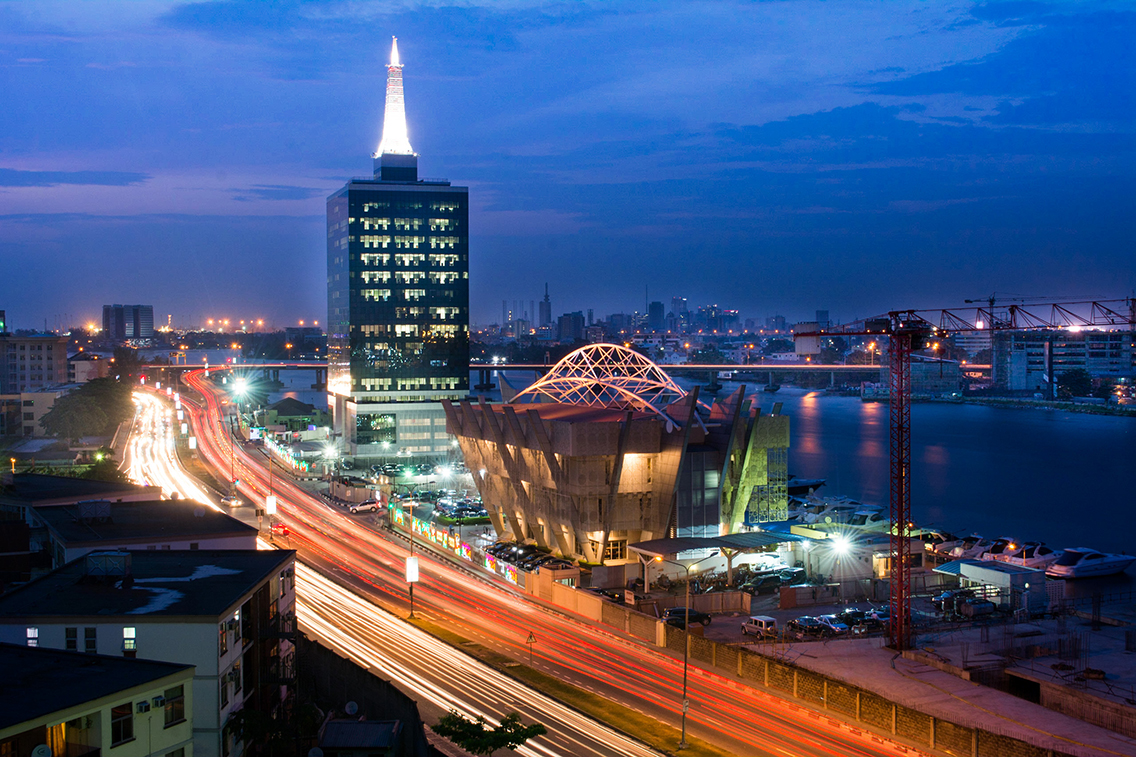
The statistics alone are remarkable. Lagos is a metropolis of 25 million people, Africa’s largest city, and its economy accounts for approximately one third of Nigeria’s entire GDP. Lagos State has been ranked the best state in Nigeria for ease of doing business, and has also been named the world’s top emerging tech hub by Dealroom. With over 2,500 startups and five of Africa’s nine unicorn companies, those valued at over a billion dollars, calling Lagos home, the city is not merely keeping pace with global innovation; in many respects it is leading it.
Nigeria’s economy is itself growing at 4% per year, but Lagos punches well above its weight even within that context. Were Lagos a standalone economy, it would rank as the fifth largest on the African continent, ahead of Kenya. These are not the numbers of a city to be overlooked.
Time and time again at the conference, speakers returned to a theme that resonated deeply: the need to reframe how the world thinks about Africa. There was, for many years, a dismissive and patronising lens through which the continent was viewed. In a notorious 1994 article, the writer Robert Kaplan described Lagos as the “cliché par excellence of Third World urban dysfunction.” That characterisation feels not just outdated, but jarring, when set against today’s reality.
International investors are increasingly eyeing Lagos with serious intent. And in a wider context, Lagos is a significant piece in a much larger jigsaw. This year, Africa’s economy is set to overtake Asia as the world’s fastest-growing region. The continent is not a development story; it is an investment story, and Lagos is at its heart.
As part of the conference, we were taken on two site visits that captured the breadth of Lagos’s economic ambitions. The first was to the Aridex 3D printing plant, which manufactures precision parts for the defence, automotive and other sectors, a vivid symbol of the city’s embrace of advanced technology and high-value manufacturing. The second was to the Dangote oil refinery, a reminder that Nigeria’s oil sector remains a vital foundation for the country’s prosperity. Together, the two visits illustrated a city that is building on its traditional strengths while boldly investing in the industries of the future.
Lagos is not just an economic hub in its own right; it is a gateway to Africa overall. At the conference, we heard a great deal about the African Continental Free Trade Area, covering 54 countries and representing the world’s largest free trade area by population. This agreement has the potential to bring enormous economic dynamism across the continent, lowering barriers and enabling African businesses to scale in ways previously unimaginable.
Nigeria is also a proud member of the Commonwealth, the third largest by population, and looks set to play an increasingly important role within it. The presence of the Commonwealth Secretary General at the conference was a testament to that ambition and to the confidence others have in Nigeria’s potential. One of the strategic partners on the conference was the Commonwealth Enterprise and Investment Council, and its brilliant CEO Samantha Cohen took centre stage.
From a British perspective, it is clear that the relationship between the UK and Nigeria is deepening and becoming ever more significant. This partnership is underpinned by a British Nigerian community of almost 300,000 people, who have made extraordinary contributions across business, culture, politics, the NHS and public services. During a panel I had the privilege of chairing, I pointed to the contribution of the Nigerian diaspora even in sport, visible in the heritage of footballers such as Bukayo Saka and Eberechi Eze at Arsenal.
The importance of the bilateral relationship was underscored by the recent state visit to Windsor by Nigeria’s President, Bola Tinubu. And in January of this year, Nigeria became the UK’s largest export market in Africa, a milestone that speaks to the scale of what is already being built between our two nations.
Lagos is a city that feels alive with possibility. It faces challenges, as all great cities do, but its leadership is clear-eyed about what needs to be done and genuinely open to international partnership and investment. Governor Sanwo-Olu and his team are building something powerful.
The question for British businesses, investors and policymakers is not whether Lagos matters. It clearly does. The question is whether we are moving quickly enough to be part of its story.
Zaki Cooper was a compère at Invest in Lagos 3.0 and is co-founder of Integra communications.