
Africa’s technology ecosystem maintained its momentum in May, with startups across the continent raising US$124m in fresh capital across sectors including fintech, logistics, housing and healthcare. While the monthly total is noteworthy in its own right, the more significant story lies in the year-to-date figures, which underline the resilience of the continent’s innovation economy.
By the end of May 2026, African startups had secured US$1.044bn in funding, almost matching the US$1.056bn recorded during the same period in 2025. The narrow gap suggests that, despite persistent macroeconomic headwinds and a more selective investment environment globally, investor appetite for high-growth African ventures remains strong.
As has been the case for much of the past decade, fintech continued to dominate fundraising activity.
Tanzanian-founded payments company NALA secured US$50m in debt financing to expand its stablecoin-powered cross-border payments infrastructure. The company has been building financial corridors between Africa and its global diaspora, and the latest raise reflects growing confidence in stablecoin-based remittance solutions.
Meanwhile, LemFi is in the process of raising US$34.8m (€30m) to accelerate the expansion of its financial services offering for immigrant communities across Europe and North America. The company is increasingly positioning itself as a comprehensive financial platform serving migrant populations worldwide.
The sector’s strength was further demonstrated by a series of smaller transactions. Checker raised US$8.1m, while Sorted Wallet secured US$4.4m and Cauridor added a further US$2m, reinforcing fintech’s status as the leading destination for venture capital on the continent.
Beyond financial services, investors also backed companies addressing challenges in transport, logistics and urban development.
Nigerian mobility company MAX raised US$8m in debt financing to expand its electric vehicle fleet and battery-swapping infrastructure, strengthening its position in the country’s growing clean mobility sector. ARRW by RehlaRides secured US$4m to support its growth ambitions, while South African logistics company Shiprazor raised US$2.65m to enhance last-mile delivery services.
The property technology sector also attracted investor attention. Moroccan startup Davis AI raised US$5.5m to develop artificial intelligence solutions for the real estate market, a sector that remains underserved across much of Africa despite significant demand for innovation.
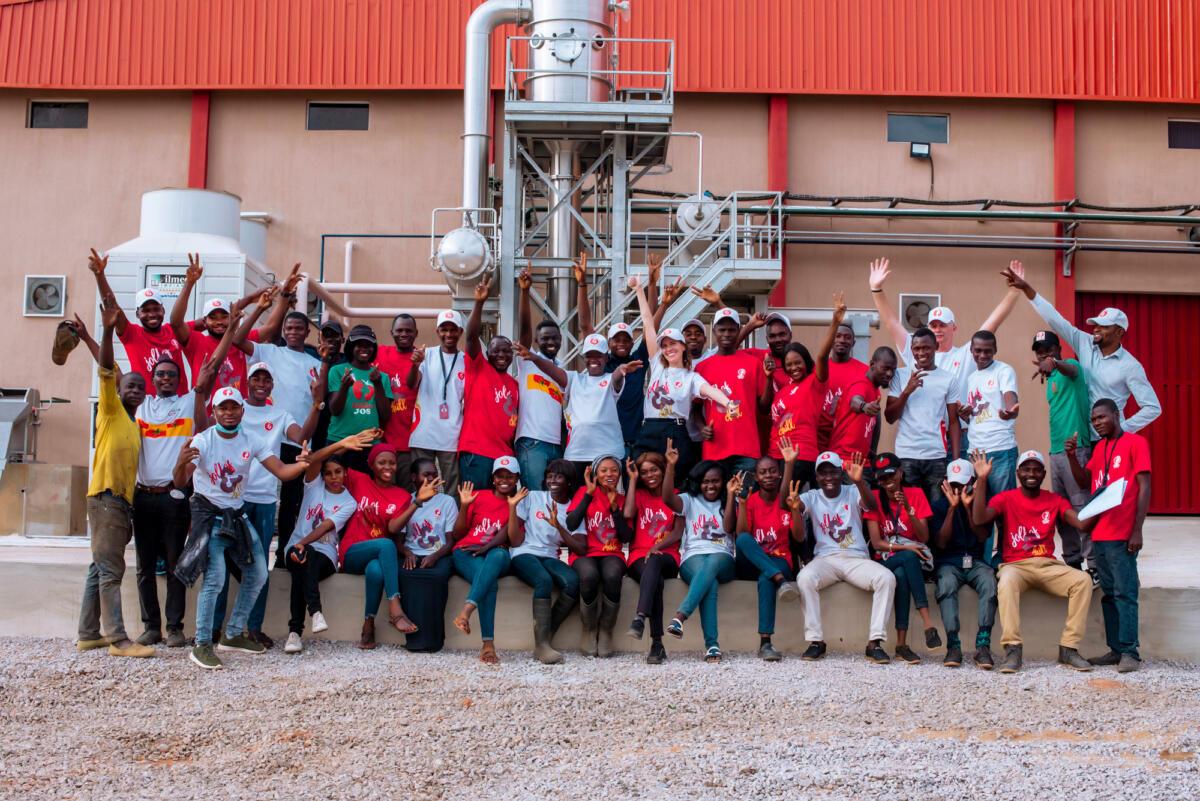
Healthcare and agri-food ventures rounded out the month’s activity. Tomato Jos secured US$2m to support its agricultural operations, while healthcare startups BleaGlee and Mia Health raised US$1m and US$910,000 respectively. Although relatively modest in size, these transactions highlight continued investor interest in early-stage companies tackling critical challenges in food security and healthcare access.
Looking beyond May, the first half of 2026 appears increasingly likely to set a new benchmark for African startup fundraising.
With May’s funding totals included, cumulative first-half funding had already reached approximately US$1.3bn, placing the market just $121m short of surpassing the record US$1.42bn raised during the first half of 2025.
The picture became even more promising at the start of June when electric mobility company Spiro announced a US$215m funding round. Should the transaction be fully reflected in first-half figures, African startups would comfortably exceed last year’s record and further reinforce the narrative of a sector that has regained its momentum.
The definitive assessment will come with the publication of TechCabal Insights’ forthcoming State of Tech in Africa H1 2026 Report. However, the trajectory is already clear. Far from slowing down, Africa’s startup ecosystem is proving its ability to attract capital across an increasingly diverse range of sectors, positioning 2026 as one of its strongest years on record.