

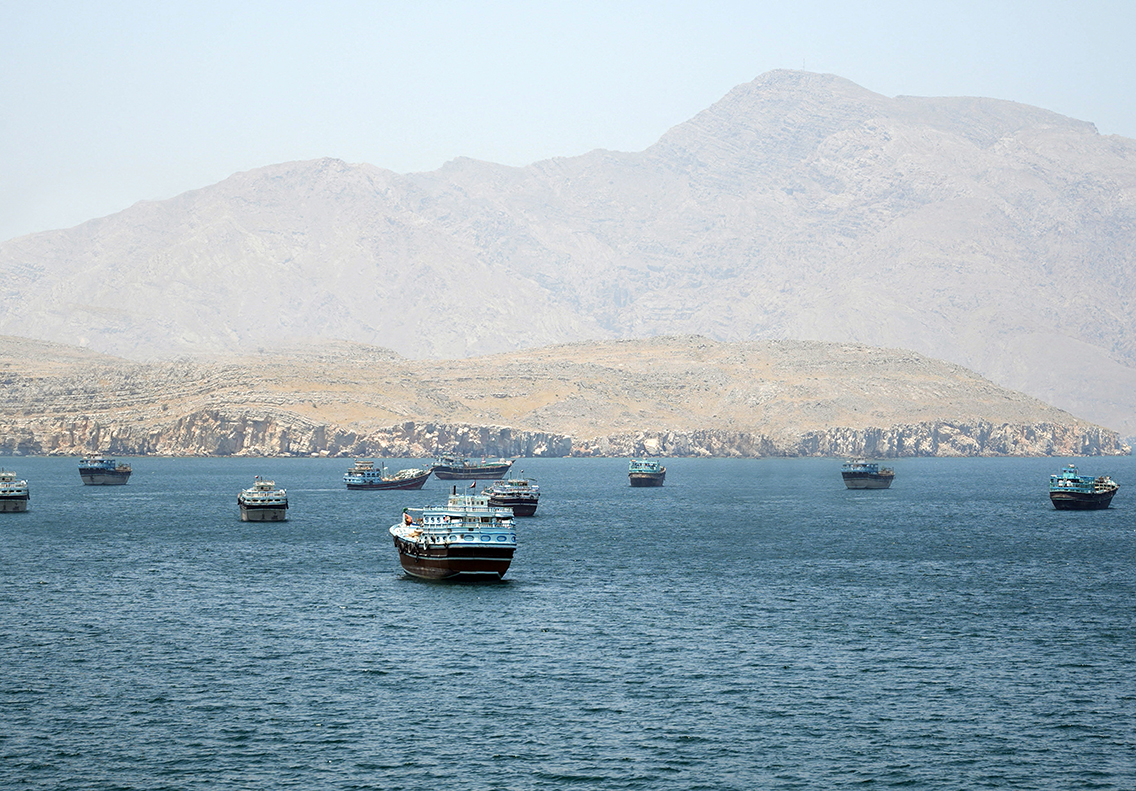
With unprecedented global events unfolding: the energy shock from the US-Iran conflict and the continuing uncertainty about the status of the Strait of Hormuz, gold prices at historic highs, copper and aluminium markets repriced overnight by US tariffs and fertilizer shortages, African economies cannot just sit this out and hope the storm will pass without too much damage to them.
Africa’s exposure to commodities, currency and interest rate shocks is becoming increasingly more significant.
Consider what is at stake: A producer attempting to lock in commodity prices at record highs; a sovereign now facing exchange rate movements that threaten to erode the very benefit of having raised finance in a new market; a project sponsor seeking revenue certainty for its lenders – and the list goes on.
The instruments to hedge each of these exposures exist and are liquid in global markets. Yet, while sophisticated risk management tools exist, access to them at the scale and tenor that African sovereigns and corporates require remain constrained.
The constraint is rarely their availability but the credit exposure that a large or long-dated hedge creates. That exposure shapes pricing, but more fundamentally it determines whether the transaction can be done at the scale the client genuinely needs.
Addressing that constraint and improving the transaction terms systematically and across asset classes, is what we have set out to do at the Africa Finance Corporation (AFC) through Treasury Client Solutions.
How the market works (and its constraints)
To understand why that constraint exists, it helps to see how the market actually works. Capital frameworks govern all market participants, but for the global banks that intermediate most hedging transactions, those frameworks translate into hard limits on the credit exposure they are willing to carry against African counterparties.
For African sovereigns and corporates, that constraint shapes outcomes in ways that go beyond price and size. It determines not just the economics of a transaction but the form it can take.
Many African sovereigns and project sponsors are not operationally set up to post margin against the day-to-day movements in a derivative transaction’s value. These collateral calls are routine for rated financial counterparties but difficult for both governments whose treasury operations are not yet structured to meet daily margin obligations and for project entities managing capital-intensive investments.
When a counterparty cannot post margin, a bank must hold a larger credit limit against the full potential exposure of the transaction. That directly affects the credit terms on offer: the size the bank is willing to transact, the tenor they will extend, and the structure they are willing to provide.
Credit constraints also shape the type of instrument on offer. A client may prefer a hedge that offers downside protection without any upfront premium, structured so that protection on the downside is funded by limiting gains on the upside.
A bank constrained on credit may instead offer only a structure requiring the full premium to be paid upfront. The client receives protection either way, but not on the terms that best suit their cash flow or risk management goals. This reflects where the bank sits on its credit limit, not the legitimacy of the client’s need.
This is where a development finance institution like AFC can play this intermediary role.
The AFC’s mandate, its balance sheet, and its investment-grade ratings of A3 from Moody’s and A from S&P Global give it both the appetite and the capacity to intermediate for African counterparties.
Addressing the credit intermediation gap at the scale and in the structures that matter is critical.
A DFI like AFC absorbs the counterparty credit risk that the global bank cannot hold at the scale and on the terms the client needs, and that is precisely what it is positioned and designed to do.
In practice, we have executed as principal on both sides of the transaction, facing the global market on one leg and the African counterparty on the other, intermediating the credit gap between them.
The transaction can get done in the size, tenor, and structure the client’s risk management objective genuinely requires, not merely what fits within a constrained credit limit.
What it looks like in practice
Two recent transactions illustrate the breadth of what this intermediary function makes possible.
In late 2025, AFC led and structured the senior debt financing for an African gold producer and Sierra Leone’s Baomahun Gold Project, one of the most significant mining project financings in the region.
Gold price protection was integral to making the project bankable. With gold prices elevated, lenders needed certainty that revenues would hold through the life of the facility, not just at the moment of close.
A pre-production mining project in Sierra Leone is not a counterparty to which the market will readily extend large, long-dated commodity hedges on favourable terms. AFC’s credit standing changed that equation. The resulting hedge locked in a portion of the project’s output at prevailing price levels, giving lenders the certainty they needed. The hedge did not complement the financing. It effectively de-risked it.
For sovereigns, the challenge takes a different form. When Angola completed a landmark Samurai bond issuance, AFC acted as re-guarantor, bringing its investment-grade credit standing to bear. The financing was raised in yen.
Converting the proceeds required a cross-currency swap of matching size and tenor, on terms that preserved the economic rationale for accessing the Samurai bond market in the first place.
AFC intermediated that swap, unlocking the terms that made the conversion worthwhile. The sovereign achieved meaningful diversification of its funding base, and the yen proceeds became dollars on terms that reflected the genuine credit quality of the transaction.
Aside from its intermediary role, when AFC raises its own funding across global markets, from Samurai bonds and Swiss franc green bonds to other foreign currency denominated facilities, it faces precisely the same challenge: converting non-dollar proceeds into the dollars that underpin its operations and lending.
The cross-currency hedging that makes AFC’s own funding diversification viable is the same discipline it brings to client transactions.
Across our derivative book, this intermediary function spans multiple asset classes: commodities, currencies, and interest rates, serving sovereigns and corporates throughout the continent.
Why This Matters
On its own, each transaction delivers clear value to the counterparty involved – together, they illustrate something larger: the role of a credit intermediary in extending what global financial markets can deliver for African sovereigns and corporates.
Each transaction executed builds that case. Projects cannot be financed without revenue certainty, and sovereigns cannot sustain reform without fiscal resilience.
The ability to hedge market risk efficiently, at the right scale, is what makes large project financings bankable. It is also what enables African sovereigns to access new capital markets without leaving the economic benefit on the table.
Hedging solutions can ultimately support lower financing costs, greater investment certainty and broader capital mobilisation across the continent.
As African sovereigns and corporates increasingly seek sophisticated risk management solutions, institutions capable of bridging global market capacity with African financing realities will play an increasingly important role in shaping the continent’s next phase of financial market development.
James O. Maduekeh is Senior Vice President and Head of Treasury Client Solutions at Africa Finance Corporation. He leads the structuring and execution of treasury, derivatives, and structured financing solutions for sovereigns, central banks, financial institutions, and corporates across Africa.
Eyitope Owolabi is a Treasury Client Solutions Specialist at Africa Finance Corporation, where he originates, structures and executes cross-asset hedging solutions for African sovereigns, financial institutions and corporates.