
African creativity has never lacked imagination. From Lagos to Cape Town, designers, tailors and artisans are producing work that is bold, original and globally resonant. African fashion continues to influence global aesthetics, storytelling and craftsmanship. Yet for all its creative promise, the continent’s creative economy remains constrained by a persistent structural weakness: a fragile and underdeveloped skills ecosystem.
Too many creatives remain trapped at the level of passion projects, unable to convert talent into sustainable enterprises capable of competing on the global stage. The challenge is not one of inspiration, but of execution. A lack of business acumen, limited production capacity, weak technical skills and the absence of formal recognition for creative expertise continue to prevent African creativity from becoming a scalable economic force.
If Africa is serious about turning its creative industries into engines of growth, employment and export revenue, it must invest in far more than raw talent. Creatives need structured business training, access to modern production infrastructure and pathways to formal certification that turn skill into capital. Without these foundations, creativity will remain culturally powerful but commercially fragile.
Talent without tools
Across the continent, many designers are trained in theory but left unequipped to run a business. The wider ecosystem often fails to provide the advanced technical, financial and digital skills required to operate competitively in both domestic and international markets. This disconnect is clearly illustrated by findings from Ananse’s 2023/24 survey of more than 7,000 creatives across Africa.
Nearly three quarters of respondents reported having only beginner level or no e commerce skills at all. In an era where digital storefronts are the primary gateway to global markets, this deficit represents a severe barrier to scale. Unsurprisingly, close to three quarters of respondents do not export internationally, citing limited knowledge and financial constraints as the main reasons. Even among those who do export, more than half generate less than a quarter of their revenue from foreign markets.
The skills gap extends well beyond digital literacy. Many creatives struggle with the fundamentals of running a sustainable business. Sales analytics and accounting were each cited by a quarter of respondents as major challenges preventing effective record keeping. Without these capabilities, entrepreneurs cannot properly assess performance, forecast growth, raise private capital or meet compliance requirements. The absence of basic financial management remains one of the most significant obstacles to scale.
Production quality is another critical constraint. As Lauren England, Senior Lecturer in Creative Economies at King’s College London, noted during a recent Ananse roundtable, designers aiming to scale frequently encounter a shortage of skilled labour. Weaknesses in areas such as pattern cutting, garment construction and textile design undermine consistency and quality, making it difficult to meet the expectations of international buyers.
This challenge is compounded by trust deficits in digital markets. More than a third of surveyed creatives cited difficulty building customer confidence online. In global fashion markets, trust is built through quality assurance, branding, storytelling and reliability. Without certified training in areas such as quality control, digital marketing and brand management, African designers are asked to compete with established global fashion houses while operating with a fraction of the tools.
Inclusion is not optional
If African fashion is to fulfil its economic potential, it must confront an uncomfortable reality: the industry is largely driven by women, yet women face the greatest barriers to scale. Ananse’s research shows that more than 70 per cent of fashion and design led micro, small and medium enterprises across Africa are women owned. Despite this dominance, women are often excluded from the skills, infrastructure and finance required to grow beyond the informal economy.
Digital exclusion remains a major obstacle. Secondary data indicates that in many African countries, the cost of connectivity is prohibitive, with one gigabyte of data costing around 3.3 per cent of average monthly income. Only 36 per cent of women in Sub Saharan Africa have access to mobile internet, compared with nearly half of men. In a sector increasingly dependent on digital platforms, this disparity places women led enterprises at a significant disadvantage.
Structural and social constraints further limit participation. Qualitative insights from the sector reveal that rigid training schedules, long travel distances and caregiving responsibilities often prevent women from attending in person programmes, particularly outside major cities. As a result, fewer than 15 per cent of female creatives use online marketplaces. Limited digital literacy, high setup costs and a lack of tailored support reinforce a cycle of exclusion.
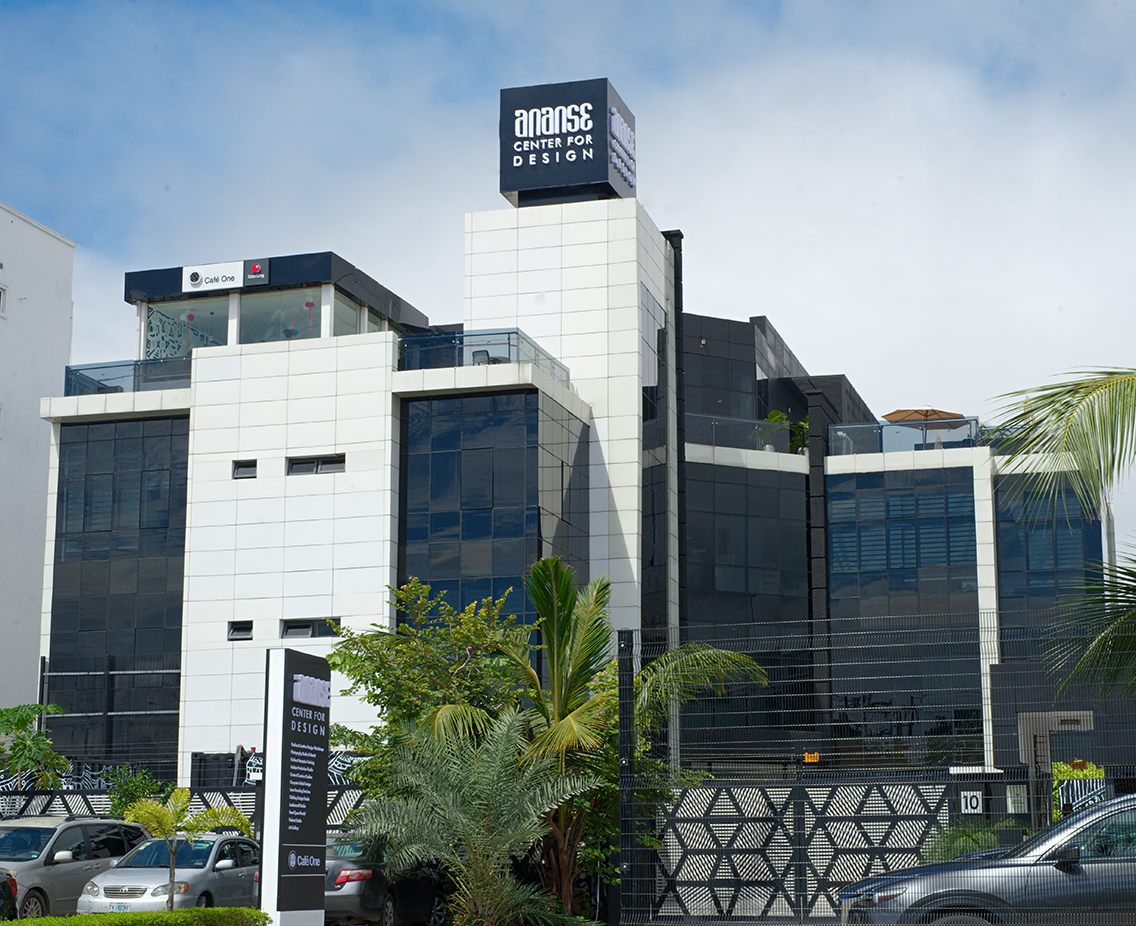
For skills development initiatives to be effective, inclusion must be designed into their foundations. This means offering flexible and asynchronous training models, investing in shared production infrastructure, providing affordable childcare and ensuring access to finance. At Ananse’s Centre for Design in Lagos, these principles are already being tested, but such facilities remain scarce. Scaling them across the continent will require coordinated ecosystem support.
Policy and partnership matter
The systemic challenges facing African fashion cannot be solved by individual designers or private initiatives alone. They demand coordinated action from governments, development institutions and the private sector. At present, policy support remains fragmented. As of 2024, only 12 of Africa’s 55 countries had a formal creative strategy in place, leaving most training initiatives underfunded, uncoordinated and outdated.
Governments must recognise the creative economy as a serious driver of jobs, exports and industrialisation. This requires investment in targeted, industry relevant skills development rather than generic entrepreneurship programmes. Two policy priorities stand out.
First, creative and design skills must be formalised through certified vocational pathways. Certification enhances credibility, facilitates access to finance and transforms informal skills into recognised economic assets. Equally important is intellectual property protection. Creatives need training that equips them to protect their designs, while governments must work to secure international recognition for indigenous skills and creative outputs.
Second, public and private actors must collaborate to fund grassroots partnerships that bridge geographical and digital divides. While digital learning platforms are essential, connectivity and literacy challenges mean that physical hubs remain critical. Public private partnerships, such as Ananse Africa’s collaboration with the Government of Nigeria to expand training beyond Lagos, demonstrate how policy support can amplify impact. Investing in regional hubs ensures that talent, regardless of location, can access skills, infrastructure and market linkages.
An economic imperative
Turning African creativity into global commerce is not a passion project. It is an economic imperative. The continent’s creative industries hold immense potential to generate employment, particularly for women and young people, while strengthening Africa’s cultural and export presence globally.
By closing the skills gap in business and production, embedding inclusion at the heart of training programmes and formalising creative expertise through supportive policy, Africa can finally build a creative economy that matches its cultural influence with commercial success. Talent has never been the problem. The challenge has always been building the systems that allow that talent to thrive.