
The debate around Africa’s energy future often centres on infrastructure, investment and natural resources. Yet increasingly, another factor is moving to the forefront of the conversation: people.
Across the continent, governments and industry leaders are recognising that the success of large-scale energy projects will depend not only on pipelines, power plants and production facilities, but also on the ability of countries to develop the human capital needed to sustain them. For Tanzania, a nation seeking to leverage its energy resources as a catalyst for broader economic transformation, this challenge is becoming particularly important.
Putting youth in the driving seat
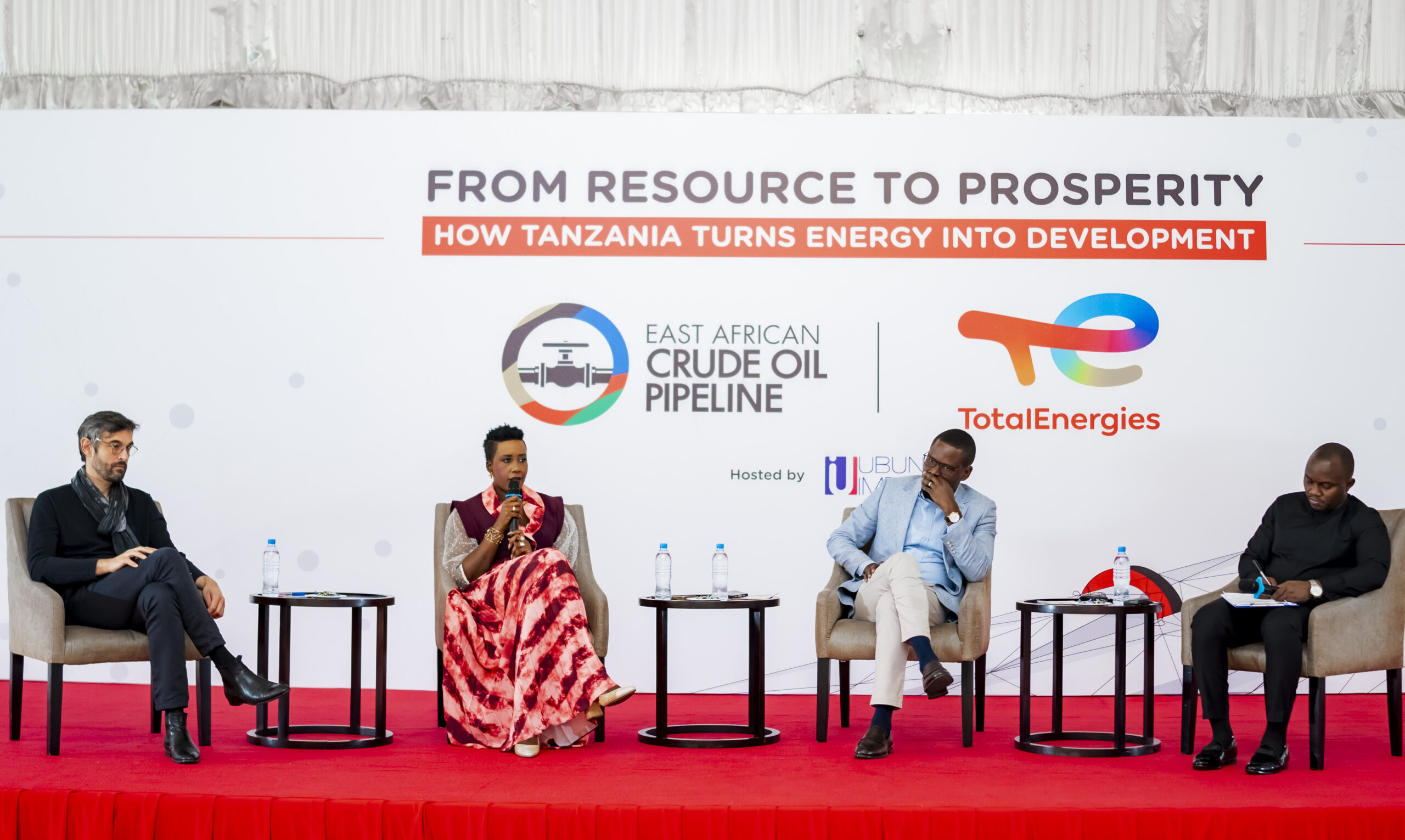
That was the message emerging from the fourth Youth in Energy Students’ Conference, held in Arusha in May 2026. Organised by the East African Crude Oil Pipeline (EACOP) and TotalEnergies in partnership with Ubuntu Impact Limited, the conference brought together hundreds of students with hundreds more streaming it online under the theme, “From Resource to Prosperity: How Tanzania Turns Energy into Development.”
The event reflected a growing recognition that Africa’s energy transition and economic development are inseparable from youth participation. With one of the youngest populations in the world, Tanzania faces both an opportunity and a responsibility to ensure that its expanding energy sector creates pathways for employment, entrepreneurship and innovation.
Students from Arusha Technical University, the Institute of Accountancy Arusha and the Nelson Mandela African Institution of Science and Technology joined discussions that explored not only the future of energy but also their own place within it. Through masterclasses, panel sessions and career exhibitions, participants were encouraged to view themselves as future leaders and decision-makers rather than passive beneficiaries of development.
From resource wealth to lasting prosperity
At the heart of the conference was a wider question that is increasingly shaping Africa’s energy discourse: how can resource wealth be converted into lasting prosperity?
For many African countries, the challenge has never been the absence of natural resources. Rather, it has been ensuring that those resources generate long-term value through industrialisation, job creation, skills development and economic diversification.
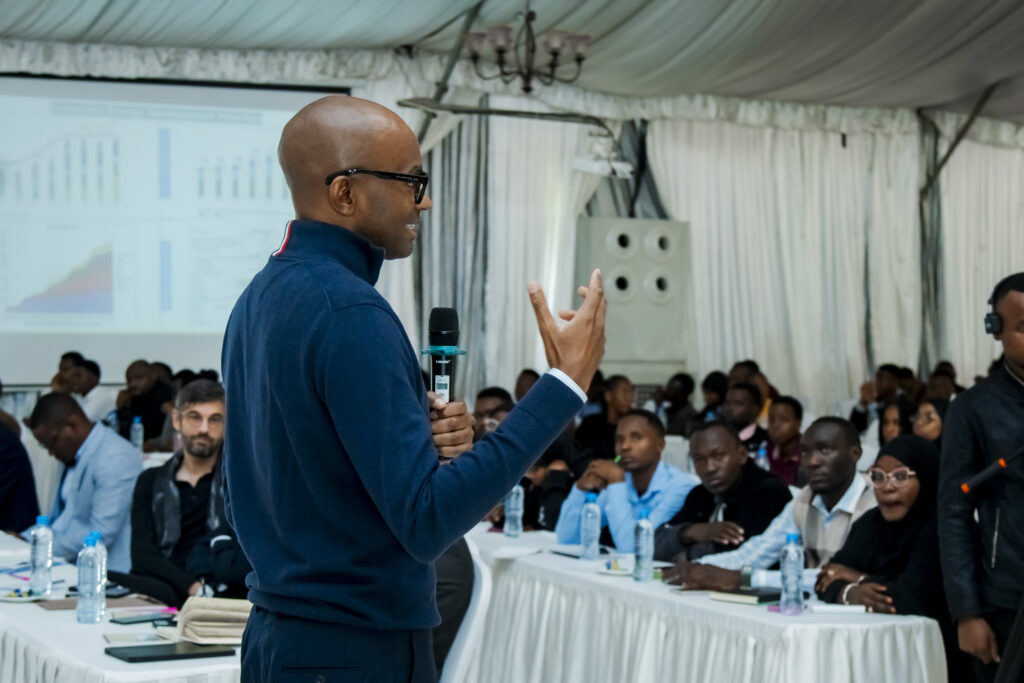
Delivering a keynote address on “Energy Transition: African Youth and the Right to Develop”, Kenneth Mutaonga, Partner at Africa Investment Advisors and Co-Founder of Asilia Energy, challenged young Tanzanians to rethink their relationship with the sector.
Drawing on examples from across the continent, he argued that the next generation must see itself not as beneficiaries of energy projects but as architects of Africa’s future energy economy. He stressed that the rapid expansion of the sector presents opportunities across the value chain for young professionals, entrepreneurs and small and medium-sized enterprises.
The message resonated strongly with participants. Across Africa, the energy transition is often framed as a technological or environmental challenge. Yet for many young Africans, it is equally an economic opportunity.
With hundreds of millions of people across the continent still lacking reliable access to electricity, Africa faces the dual challenge of expanding energy access while also responding to climate concerns. This reality has given rise to increasing calls for what many industry leaders describe as a “just energy transition”, one that recognises Africa’s development needs while supporting lower-carbon growth pathways.
The Arusha conference reflected this broader conversation. Discussions focused not only on energy production but also on local content development, financing opportunities and the role of youth-led enterprises in creating sustainable economic growth.
When projects become catalysts for wider development
One of the most anticipated sessions examined how large-scale energy projects can strengthen local economies. Participants explored the ways infrastructure investments can generate employment, stimulate local procurement and create opportunities for domestic businesses.
The East African Crude Oil Pipeline featured prominently as a case study. Stretching 1,443 kilometres from Uganda’s oilfields to Tanzania’s coastline near Tanga, EACOP represents one of the largest infrastructure investments currently underway in East Africa.
Supporters of the project argue that beyond its direct economic contribution, it can serve as a catalyst for wider development by creating employment opportunities, supporting local suppliers and attracting additional investment into host communities.
Connecting talent to opportunity
For many students attending the conference, understanding how such projects connect to their own career ambitions was a key attraction.
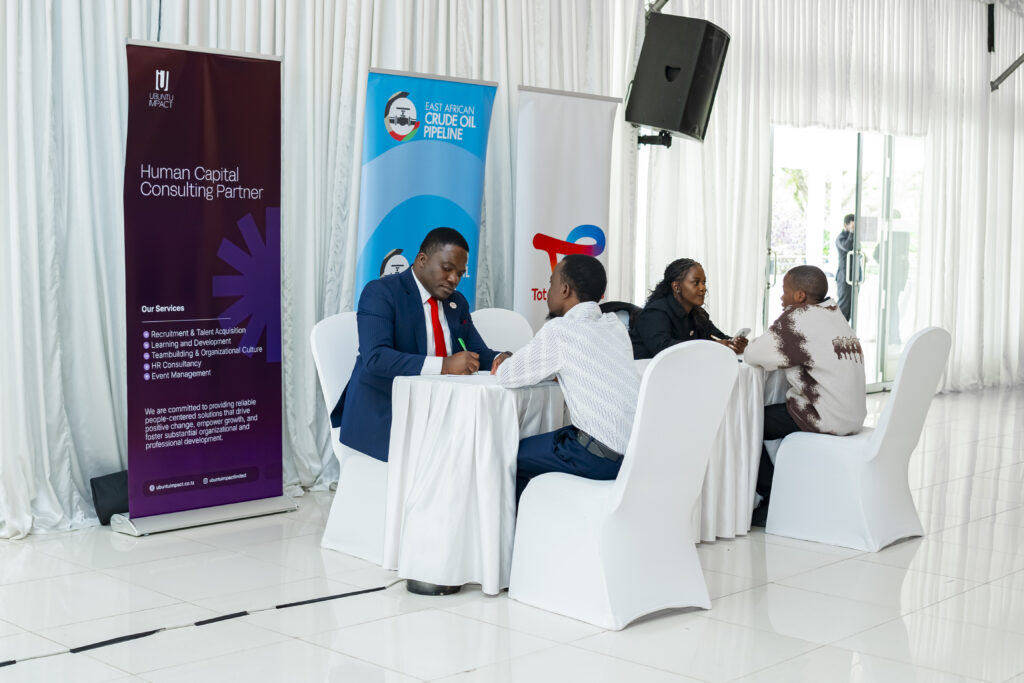
The event’s career fair provided an opportunity for participants to engage directly with representatives from EACOP and TotalEnergies. Graduate programmes, training initiatives and professional development pathways were showcased, giving students practical insights into potential careers within the industry.
Testimonials from current trainees proved particularly popular. By sharing their experiences, young professionals demonstrated that opportunities within the sector are increasingly accessible to Tanzanians equipped with the right skills and qualifications.
Financial literacy and entrepreneurship also featured prominently in the programme. A dedicated session examined how young people can access funding, build businesses and invest within the energy value chain.
This focus reflects an evolving understanding of local content. Increasingly, participation in the energy sector is being viewed as extending beyond direct employment. Opportunities exist in logistics, engineering services, technology, catering, environmental management and a range of supporting industries.
For Tanzania, where youth unemployment remains a significant challenge, encouraging entrepreneurship linked to energy investments could play an important role in broadening economic participation.
“Africa is not waiting for permission to develop”
Another notable contribution came from Marieme-Sav Sow, Vice President Engagement & Advocacy at TotalEnergies, whose remarks echoed themes she has championed at youth-focused energy events across the continent.
Addressing the panel on how energy projects can strengthen local economies, she argued that Africa’s development ambitions should not be constrained by external narratives.
“Africa is not waiting for permission to develop,” she told delegates. “The question is no longer whether we have the resources, we do. The question is whether we are building the institutional and human foundations to turn those resources into lasting prosperity. Young Tanzanians are not the future of this sector. They are its present.”
Her comments reflected a growing sentiment among African policymakers and industry leaders that human capital development must become central to energy planning. Across the continent, companies are increasingly investing in education, training and capacity-building programmes designed to ensure that local populations benefit directly from major energy investments.
The emphasis on youth engagement is also driven by demographics. Tanzania’s rapidly growing young population represents a significant economic asset. If equipped with the necessary skills, this generation could become a powerful force for innovation and growth. If opportunities fail to materialise, however, demographic expansion could place increasing pressure on labour markets and public services.
Conferences such as the one in Arusha therefore serve a broader purpose than simple industry outreach. They provide a platform for connecting students with employers, exposing young people to emerging opportunities and fostering dialogue between academia, government and the private sector.
The conference concluded with a shared conviction among organisers and participants alike: the energy sector’s greatest asset is not oil, gas or infrastructure, but people.
As Africa continues to develop its energy resources, the long-term success of those investments will depend on whether they translate into skills, careers and opportunities for the next generation.
The challenge is substantial, but so too is the opportunity. If we can enable the country’s young people to participate meaningfully in the energy economy, Tanzania’s energy wealth may indeed become a foundation for broader and more inclusive prosperity.
In Arusha, that future was not presented as a distant possibility. It was presented as a responsibility that begins today.